ISSUE #12: The Rising Cost of Living in Waterville, Maine: A Crisis for Low-Income Renters and a Call for Reform
By The Patriot News
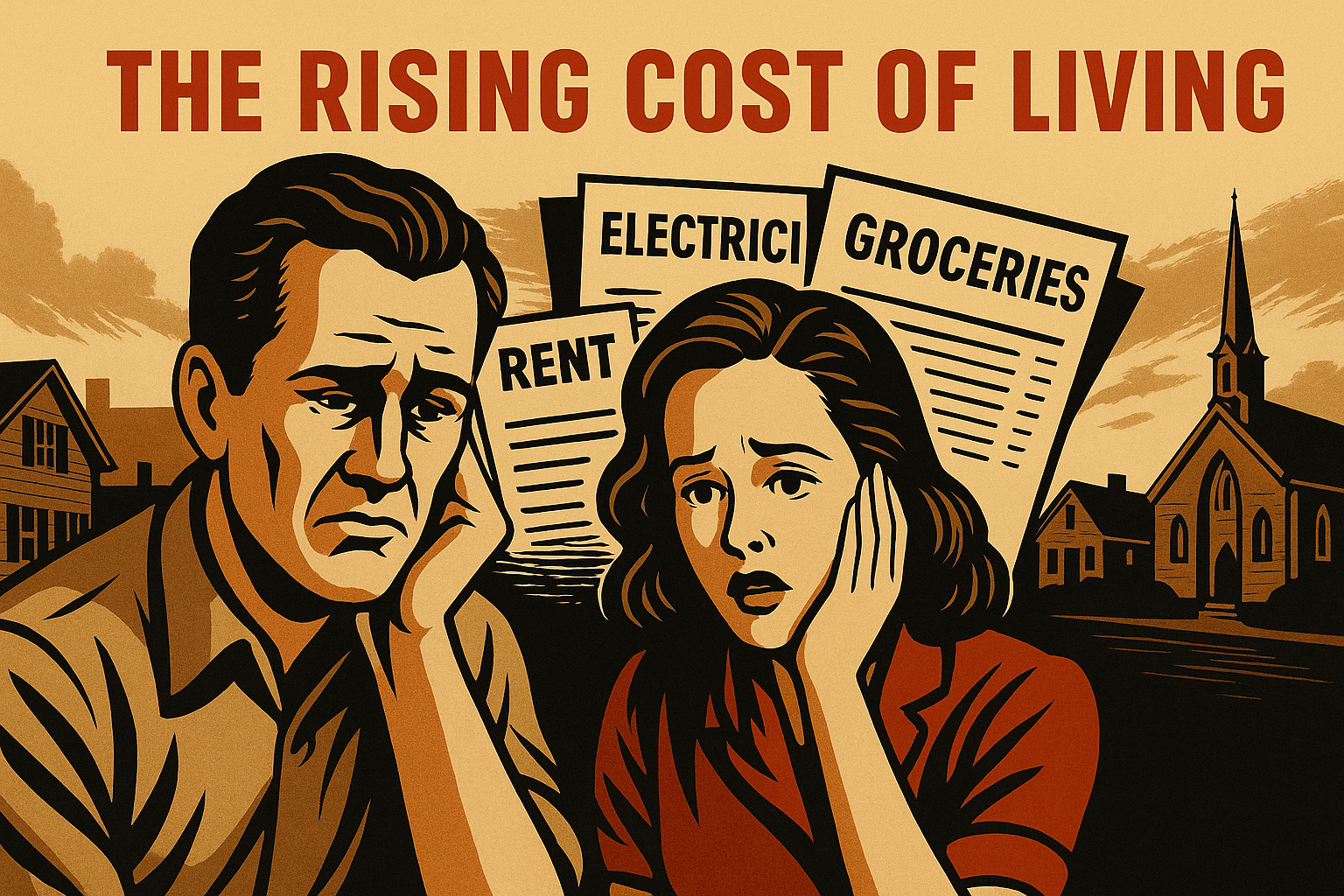
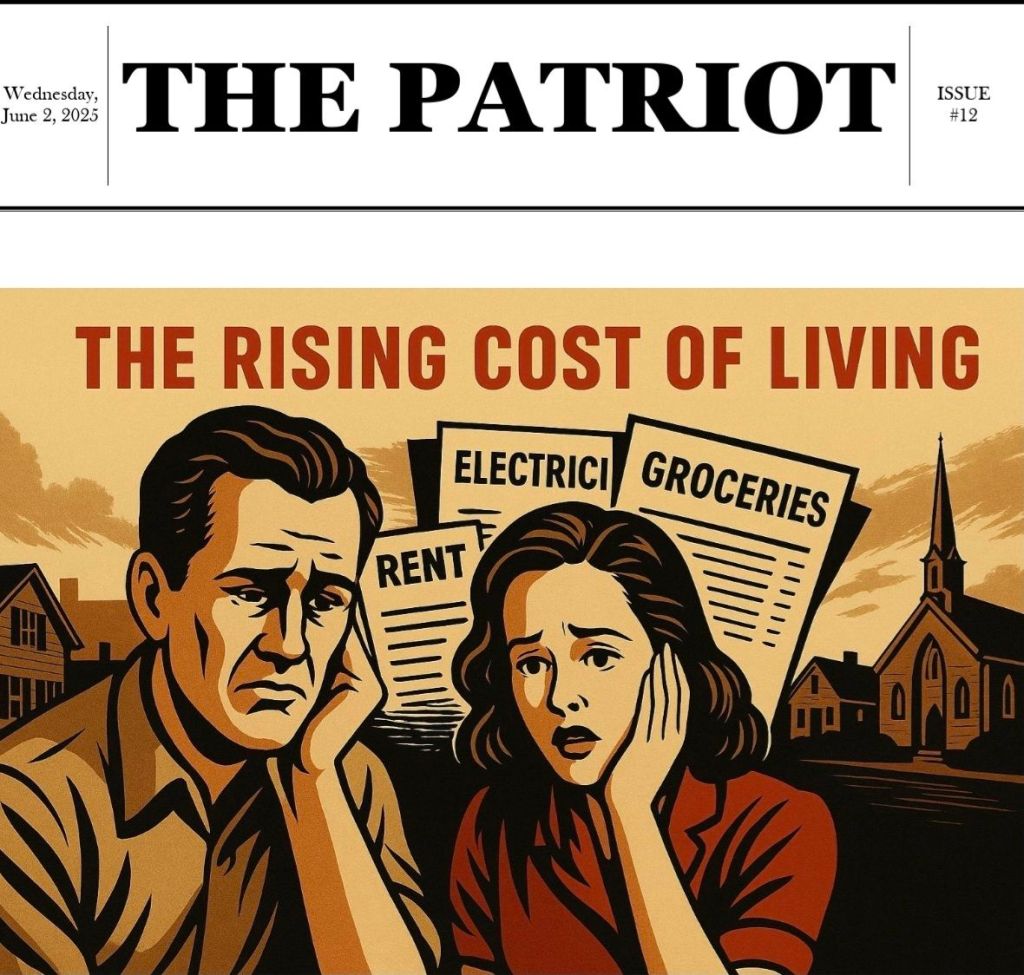
As Waterville, Maine continues to evolve, a growing housing crisis threatens the economic security, health, and future of many of its residents. With high rent costs, stagnant wages, and a significant portion of the population living at or below the poverty line, the city faces a rent affordability emergency that demands urgent attention.
Income vs. Cost of Living: A Losing Equation
According to U.S. Census data, the per capita income in Waterville is approximately $29,156. Yet, the average rent for a one-bedroom apartment hovers around $1,200 per month (Zillow, Apartments.com). This means renters earning average incomes are spending over 49% of their income on rent alone—well beyond the 30% threshold set by the U.S. Department of Housing and Urban Development (HUD) to define housing affordability.
For someone earning just $20,000 a year (roughly $9.62/hour full-time), rent at that level would consume 72% of their annual income. If the same individual works only part-time (20 hours/week), they would need to earn at least $19.23/hour just to reach that $20,000 threshold. Maine’s minimum wage as of 2025 is $14.65/hour, which would amount to just over $15,200 per year for a part-time worker—still far below what’s needed to live independently in Waterville.
This disconnect between earnings and rent is not merely a matter of statistics; it plays out in real ways across the city. People must double up in overcrowded housing, sacrifice basic needs like nutrition and healthcare, or fall into debt just to remain housed. It raises critical questions about fairness, economic opportunity, and the future of the working class in Central Maine.
Basic Utilities Further Deepen the Crisis
When factoring in the average monthly costs for basic utilities:
Electricity: $115 (poweroutage.us),
Internet: $40,
Cell phone: $85,
Groceries: $450 (USDA, Empower, WCYY),
total essential monthly expenses reach approximately $1,890. Over a year, this amounts to $22,680, meaning that anyone earning less than $29,000 is either financially strained or operating at a deficit. And this does not include transportation, healthcare, debt repayment, or unexpected emergencies—making the real cost of survival even higher.
For many Waterville residents, the economic trap is vicious: working more hours doesn’t always improve conditions if it risks losing benefits like MaineCare or SNAP. Even full-time employees can find themselves unable to build savings or invest in their future.
Homelessness in Waterville: Hidden but Growing
While Waterville does not publish city-specific homelessness rates, broader indicators paint a concerning picture. According to MaineHousing’s 2024 Point-in-Time Count, 2,695 individuals experienced homelessness across the state, with many losing shelter after the end of pandemic-era motel housing programs. Local reports confirm encampment sweeps along the Kennebec River in early 2024, displacing several individuals with few options (Colby Echo).
The lack of visible encampments doesn’t equate to a lack of need. Homelessness in small cities often takes subtler forms: people living in cars, couch surfing, or staying in overcrowded rentals. Waterville’s shelters and transitional housing resources are limited, and residents report long waitlists and gaps in service. As winter temperatures drop, the stakes become life-threatening.
Aging Housing and Tenant Neglect
Waterville’s housing stock is old and often deteriorating. Nearly 35% of all housing structures were built before 1939 (Waterville Comprehensive Plan), and a 2002 study found that 25% of all housing units were in substandard condition. While improvements have been made, lack of landlord accountability continues to be a concern, particularly as code enforcement resources remain limited.
Why a Portion of Rent Should Be Legally Reinvested in the Property
Although current Maine law does not require landlords to reinvest a fixed portion of rent back into property maintenance or improvements, doing so would benefit not only tenants, but landlords, the local economy, and public infrastructure. Here’s why:
To Preserve Property Value: Neglected buildings deteriorate, become harder to rent, and lose resale value. Reinvestment protects the landlord’s own asset.
To Fulfill a Social Contract: Rent isn’t just a fee for space—it’s a promise of safe, habitable shelter. Tenants spending half their income on housing deserve basic upkeep.
To Prevent Liability: Routine maintenance reduces the risk of lawsuits, code violations, and costly emergency repairs from unsafe conditions like mold, faulty wiring, or collapsing structures.
To Lower Public Burden: Poor housing increases municipal costs—code enforcement, emergency services, and public health interventions. Better housing saves taxpayer dollars.
To Support Health: Quality housing is directly tied to better mental and physical health outcomes, enabling tenants to work, study, and participate in the community more effectively.
To Retain Good Tenants: Renters in well-maintained units are more likely to stay long-term, pay rent on time, and take care of the property. Reducing turnover saves landlords money.
A suggested model would require landlords to reinvest at least 10–15% of annual rental income into upkeep, enforced through rental registration programs and supported by tax incentives.
This concept aligns with Waterville’s goals for livable neighborhoods and could form the basis for stronger tenant protections in the future.
Tenants have reported issues ranging from black mold, broken heating systems, and pest infestations, to dangerous stairwells and electrical systems. In 2023, the city introduced a rental property registration ordinance to help monitor safety and ensure landlords provide proper upkeep (Central Maine News). However, enforcement remains inconsistent, and many renters fear retaliation for reporting violations.
Who Owns Waterville’s Rental Housing?
Out of 7,694 total housing units, 3,850 (54.2%) are renter-occupied (Waterville Housing Chapter). Major property management companies such as Spectrum Property Management, Standard Management Company, and Arcon Realty own and oversee a significant share. The Waterville Housing Authority controls 301 public units and oversees 306 Section 8 vouchers. Many other properties are owned by private landlords or developers, some of whom operate with minimal oversight.
Tenants have few options for recourse when conditions deteriorate, and local advocates have called for increased tenant protections, stronger rent control measures, and public investment in community-led housing solutions.
The Impact on the New Generation of Renters
Generation Z is now entering the rental market en masse. Nationally, Gen Z already makes up 25% of all renters, with over 9.1 million renter households (WSJ). In Waterville, that includes local college graduates and young professionals who are often priced out of independent housing unless sharing units or sacrificing safety and comfort.
Without affordable housing, young people are forced to delay life milestones—starting families, launching businesses, or buying homes. For some, the only path to adulthood is staying in multigenerational households or leaving town entirely, taking their potential contributions with them.
What Should Rent Be?
To restore economic balance, rent should not exceed 30% of local average income. In Waterville, this means:
Affordable rent = $725/month or less
This would better align with residents’ income levels and allow them to invest in themselves and their futures—whether through:
Starting small businesses,
Furthering education,
Maintaining health,
Or simply living with dignity.
Affordable housing would also reduce reliance on state programs, improve mental and physical health, and stabilize neighborhoods—cutting down on evictions, blight, and displacement.
A Vision for Waterville
Lowering and stabilizing rent isn’t just about affordability—it’s about unlocking potential:
📈 Economic revitalization through entrepreneurship
🧠 Mental health improvements
💼 Job mobility
📚 Educational opportunity
🏘️ Neighborhood stability
Waterville could lead the way in rural housing reform. By implementing strategies such as:
Rent control or stabilization zones
Incentivized affordable development
Co-op and land trust housing models
Green, modular, and low-maintenance construction
Expanded public housing and tenant protections
the city could become a beacon for equity and innovation in Maine.
Conclusion
Waterville’s housing crisis reflects a larger American problem, but it’s one that can be addressed with coordinated effort, transparent data, and strong policy. By aligning housing costs with real incomes and investing in community stability, Waterville has the chance to lead Maine into a more equitable and resilient future.
For continued updates and citizen reports, follow The Patriot News.
Discover more from The Patriot
Subscribe to get the latest posts sent to your email.
