Airspace Intrusions Near Mar-a-Lago: A Costly and Unprecedented Security Posture
Palm Beach, FL – The skies above Mar-a-Lago have become a focal point of national security concern, marked by a persistent pattern of airspace violations and the subsequent, costly responses from the North American Aerospace Defense Command (NORAD). At the heart of this issue lies the implementation of Temporary Flight Restrictions (TFRs), a security protocol triggered whenever the president is present at his Palm Beach residence. A temporary no-fly zone, specifically designed to safeguard the individual and the surrounding area, is imposed over Mar-a-Lago during these times.
Security concerns surrounding the location, particularly given the president’s presence, necessitate the enforcement of these TFRs by the Federal Aviation Administration (FAA). These restrictions, while intended for security, have resulted in a recurring and expensive series of military interventions.
The Escalating Costs of Vigilance
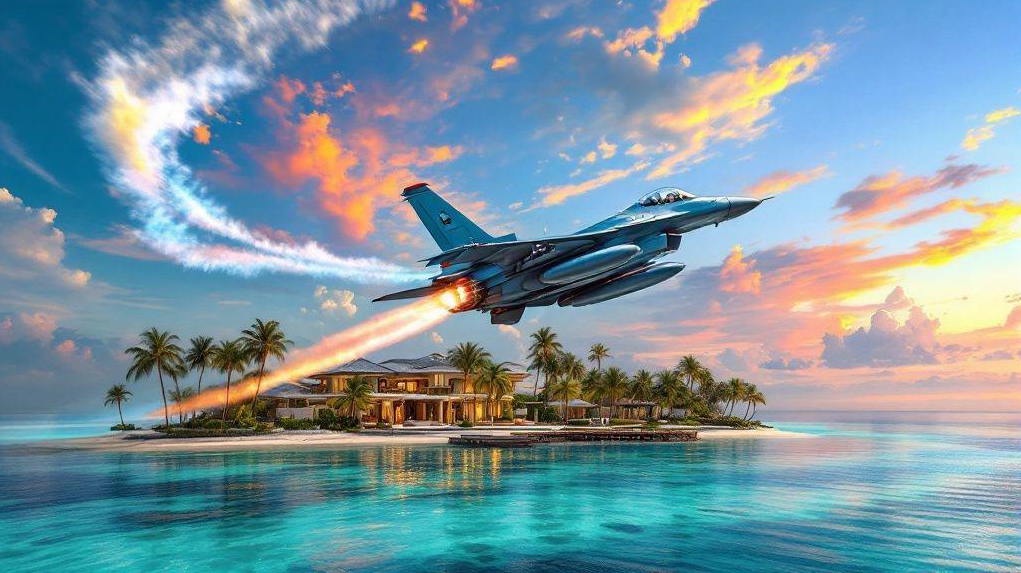
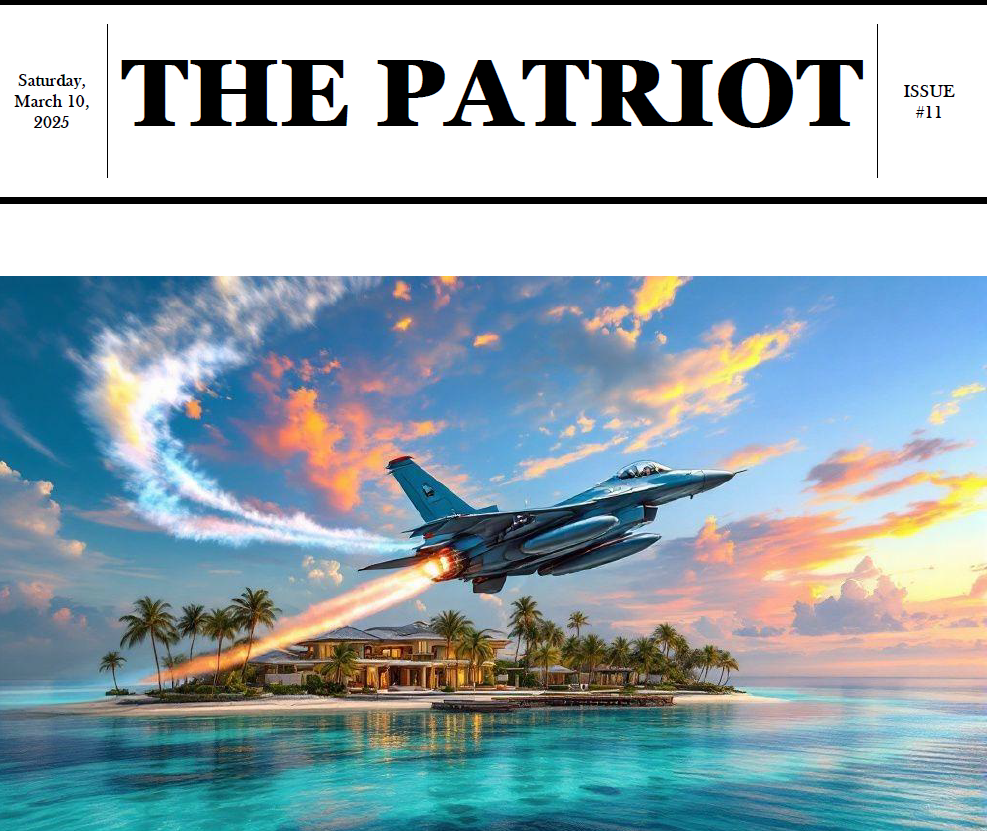
The operational demands of maintaining this heightened security posture are substantial. Each scramble of F-16 fighter jets represents a significant financial investment, with the cost per flight hour estimated in the tens of thousands of dollars. This includes fuel consumption, routine maintenance, and the wear and tear inherent in high-speed intercepts.
To arrive at a realistic fuel consumption estimate, we considered the likely launch location for the F-16s: Homestead Air Reserve Base, situated south of Miami. This base has a history of supporting air defense missions and is geographically positioned to respond quickly to airspace violations near Mar-a-Lago. The distance from Homestead ARB to Mar-a-Lago is approximately 70-80 miles. This distance, combined with the need for rapid response and potential on-scene maneuvering, informs our estimate of one flight hour per intercept.
Moreover, the use of flares as a signaling mechanism adds to the overall expenditure. While these countermeasures are crucial for communicating with potentially errant civilian pilots, they contribute to the cumulative financial burden.
The frequency of airspace violations underscores the scale of the challenge. Reports indicate that since January 20th NORAD has responded to over 20 airspace intrusions in the Palm Beach TFR area. These incidents, sometimes occurring in rapid succession, highlight the persistent need for vigilance. Notably, intercepts have also been conducted during the president’s recreational activities at his nearby golf course, emphasizing the comprehensive nature of the security perimeter.
Quantifying the Financial Impact
To provide a more nuanced understanding of the financial implications, we must refine our cost estimations:
- Base Intercept Cost: A conservative estimate of $20,000 per F-16 intercept, encompassing fundamental operational costs, including fuel based on the estimated flight time.
- Flare Expenditure: An average of $1,500 per incident, reflecting the cost of these signaling devices.
- Personnel Allocation: A more realistic estimate of $7,500 per incident, recognizing the round-the-clock readiness of pilots, ground crews, and air traffic controllers.
- Increased Incident Number: Acknowledging that “over 20” is a low end estimate, an estimation of 30 total incidents will be used.
Based on these refined figures, the total cost of responding to these airspace violations is estimated to be $855,000. This figure underscores the substantial financial commitment required to maintain the current security posture.
The Unprecedented Nature of Airspace Security
It is crucial to recognize that the level of airspace security observed around Mar-a-Lago is not historically typical. While presidential security has always been a priority, the deployment of fighter jets to enforce TFRs during recreational activities represents a departure from established norms.
The evolution of airspace security, particularly in the post-9/11 era, has led to more stringent measures. However, the specific application of these measures in this context reflects a unique set of circumstances.
The advancements in aviation technology, coupled with the increased potential for threats, have necessitated a more proactive approach to security. Additionally, the proliferation of social media and news outlets has heightened public awareness of these security protocols.
Addressing the Root Causes
General Gregory Guillot, commander of NORAD and the U.S. Northern Command, has emphasized the critical importance of TFR compliance. “Adherence to TFR procedures is essential to ensure flight safety, national security, and the security of the President. The procedures are not optional, and the excessive number of recent TFR violations indicates many civil aviators are not reading Notice to Airmen, or NOTAMs, before each flight as required by the FAA, and has resulted in multiple responses by NORAD fighter aircraft to guide offending aircraft out of the TFR.”
Aviation authorities have reiterated the need for pilots to meticulously review flight restrictions before takeoff. Addressing the root causes of these violations, whether through enhanced pilot education or technological solutions, is essential for mitigating the financial and operational burden.
The airspace violations near Mar-a-Lago represent a complex intersection of security, logistics, and financial considerations. The unprecedented nature of these security measures underscores the evolving challenges of presidential protection in the modern era. As aviation technology advances and potential threats evolve, the need for vigilance remains paramount.

Discover more from The Patriot
Subscribe to get the latest posts sent to your email.
