
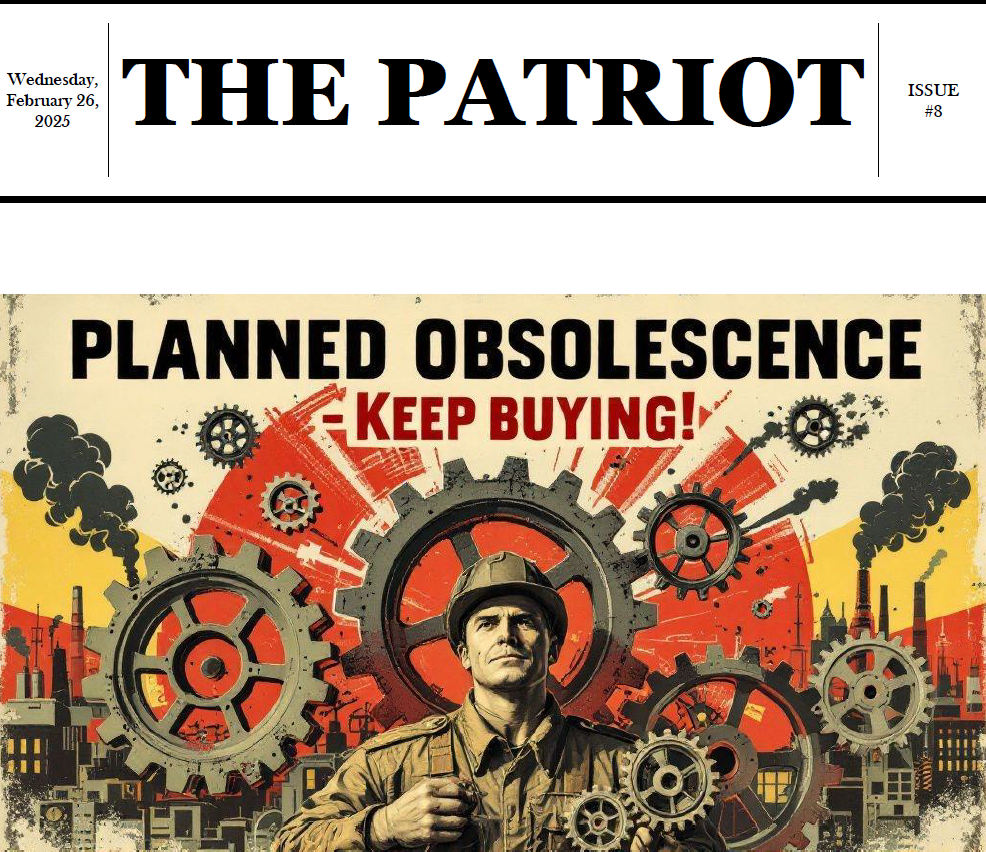
The Quest for Quality: Reimagining Durability in a World of Planned Obsolescence
From the deliberate dimming of light bulbs in the 1920s to the annual cycle of smartphone upgrades, planned obsolescence has become a cornerstone of modern manufacturing. This strategy, designed to encourage frequent consumption by limiting product lifespan, has driven economic growth for decades. But at what cost? A growing chorus of voices is now calling for a return to quality, durability, and a more sustainable approach to production. This shift could not only benefit consumers and the environment but also revitalize the economy in unexpected ways.
The concept of planned obsolescence, while seemingly modern, has roots stretching back a century. Early examples, like the Phoebus cartel’s manipulation of light bulb lifespans, revealed the potential for manufacturers to artificially shorten product lifecycles. This practice, aimed at maximizing profits, resulted in bulbs that burned out far sooner than they could have. In the automotive world, the rise of “dynamic obsolescence” in the mid-20th century saw manufacturers prioritizing style changes and new features over the robust engineering that characterized earlier designs, like the famously durable straight-6 engine. This shift wasn’t just about aesthetics; it ingrained the idea that newer is always better, even when the older product functioned perfectly well.
The straight-6 engine serves as a potent symbol of this transition. Renowned for its smooth operation, inherent balance, and exceptional longevity, it represented a time when durability was paramount. These engines, often lasting for hundreds of thousands of miles with proper maintenance, were a testament to quality engineering. Their robust design minimized stress on components, contributing to their remarkable lifespan. However, as manufacturing processes evolved and consumer preferences shifted towards novelty and perceived performance gains, the focus on longevity waned. Cost reduction, fueled by mass production techniques, and the allure of annual model changes pushed manufacturers away from prioritizing durability, ultimately sacrificing long-term value for short-term profits. The shift towards lighter, less robust engine designs, while offering some performance and fuel economy benefits, often came at the cost of long-term reliability.
This transition has had far-reaching consequences. The constant cycle of replacement generates mountains of waste, depletes valuable resources, and burdens consumers with unnecessary expenses. Furthermore, the extraction and processing of materials, particularly rare earth elements crucial for modern electronics, carries a significant environmental footprint. The demand for these finite resources, puts immense pressure on ecosystems and raises concerns about future availability. Mining operations can scar landscapes, pollute waterways, and displace communities, while the complex refining processes often generate hazardous waste.
But a counter-narrative is emerging. Consumers are becoming increasingly aware of the environmental and economic costs of this disposable culture. This growing awareness is fueling a movement towards more sustainable consumption, pushing for regulations that promote product durability and repairability. France, for example, has taken a stand by making it illegal to intentionally shorten a product’s lifespan, requiring manufacturers to disclose estimated lifespans and the availability of spare parts. This “right to repair” movement is gaining momentum globally, empowering consumers to extend the life of their products and reducing reliance on constant replacements. Beyond legislation, consumer advocacy groups are promoting eco-labeling initiatives and product transparency, allowing consumers to make informed choices based on durability and environmental impact.
The shift towards quality and durability isn’t just an environmental imperative; it can also be an economic driver. While some argue that longer-lasting products would stifle economic activity, the reality is more nuanced. A focus on quality creates opportunities in repair, maintenance, and remanufacturing sectors, generating new jobs and fostering a more skilled workforce. Furthermore, it encourages innovation in materials science and manufacturing processes, enhancing competitiveness in the global market. Companies that prioritize durability can build strong brand reputations and cultivate loyal customer bases willing to pay a premium for lasting value. Consumers, too, benefit from reduced long-term costs and increased product satisfaction, freeing up disposable income for other investments.
Intriguingly, the past may hold keys to a more sustainable future. Exploring previously expensive or overlooked technologies and adapting them with modern advancements could unlock surprising benefits. Imagine revisiting advanced steam
power with contemporary materials and control systems, potentially offering cleaner and more efficient energy generation than current methods. Or refining early electric motor designs, known for their efficiency but abandoned due to cost, for use in electric vehicles or other applications. Repurposing these technologies could lead to greater resource efficiency, unique performance characteristics, and potentially lower costs. For example, certain early plastics, while more expensive initially, might offer superior durability and biodegradability compared to modern petroleum-based plastics.
The quest for quality is not a nostalgic yearning for the past, but a necessary step towards a more sustainable and prosperous future. By embracing durability, promoting repairability, and exploring innovative uses for older technologies, we can create an economy that values both environmental stewardship and long-term economic growth. The challenge lies in shifting our mindset from a culture of disposable consumption to one that celebrates quality, longevity, and the enduring value of well-made products. Achieving this requires a multi-pronged approach:
- Government Regulation: Implementing “right to repair” legislation, mandating minimum durability standards, offering tax incentives for sustainable manufacturing, and strengthening consumer protection laws against planned obsolescence.
- Industry Transformation: Encouraging manufacturers to embrace design for durability, invest in research and development of long-lasting materials and technologies, and prioritize product longevity over planned obsolescence. This could involve industry-wide standards for repairability and product lifespan.
- Consumer Empowerment: Educating consumers about the costs of planned obsolescence, promoting eco-labeling and product transparency, and supporting businesses that prioritize quality and durability. This includes fostering a culture of repair and reuse.
- Technological Innovation: Investing in research and development to improve the durability and recyclability of materials, exploring the potential of older technologies for modern applications, and developing new manufacturing processes that minimize waste and maximize product lifespan.
- International Cooperation: Establishing global standards for product durability and repairability, facilitating the exchange of knowledge and best practices, and addressing the global challenge of e-waste.
This comprehensive strategy, involving governments, manufacturers, consumers, and researchers, is essential to create a marketplace where durability and sustainability are not just desirable features, but the expected norm. Only then can we truly move away from the era of planned obsolescence and embrace a future where products are built to last.

Discover more from The Patriot
Subscribe to get the latest posts sent to your email.
