Echoes of the Past: January 6th, the Historical Tapestry of Political Disruption, and the Enduring Fragility of Democracy
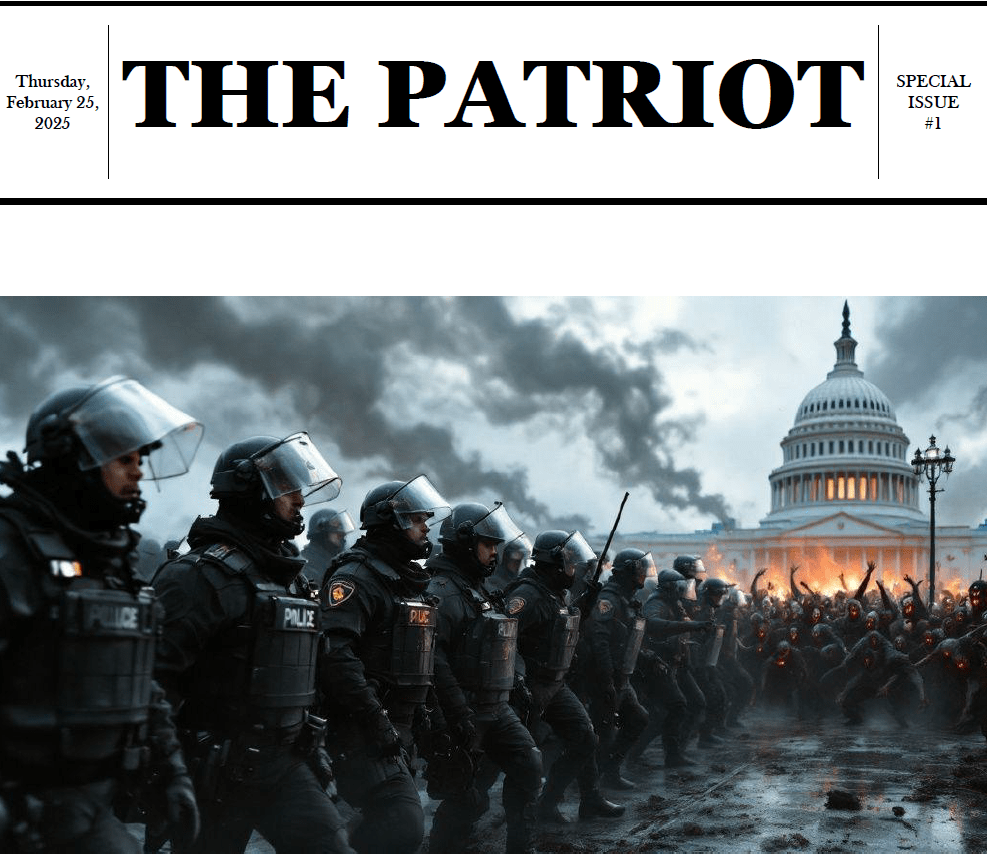
The events of January 6, 2021, etched themselves into the American narrative as a day of profound crisis, transcending a mere political protest. The assault on the U.S. Capitol, an organized attempt to overturn the legitimate results of a presidential election, was a seismic challenge to the bedrock of American democracy. To fully grasp its significance, we must dissect its historical roots, analyze its enduring implications, and acknowledge the planned and coordinated nature of some aspects of the attack.
On that day, a crowd, inflamed by a torrent of misinformation and driven by the false narrative of a stolen election—a narrative repeatedly debunked by courts, election officials, and independent fact-checkers—breached the very citadel of American governance. The images of lawmakers fleeing, the Capitol desecrated, and the peaceful transfer of power violently disrupted shocked the world. But was this an isolated aberration, or a symptom of deeper, historical currents? To answer this, we must look to the past, for the seeds of political disruption have been sown throughout American history.
While the specific confluence of factors surrounding January 6th is unique, the history of the United States, and indeed, of civilizations, is punctuated by instances of mob violence, political extremism, and attempts to subvert democratic processes. Just as the events of January 6th challenged the peaceful transfer of power, so too did the violence of the Reconstruction era challenge the nascent rights of newly freed citizens.
Following the Civil War, the Reconstruction era witnessed a systematic campaign of terror and violence, rooted in white supremacist ideology, aimed at disenfranchising newly freed Black citizens. Groups like the Ku Klux Klan used lynchings, intimidation, and electoral fraud to undermine democratic participation and voting rights. The Enforcement Acts, designed to combat this violence, highlight the fragility of democratic institutions in the face of organized extremism. This period serves as a stark reminder of how easily democratic gains can be reversed by violent actors. Moving forward in time, the echoes of political disruption can be heard in the struggles of the working class.
The late 19th and early 20th centuries were marked by intense labor struggles, with events like the Haymarket Affair and the Pullman Strike showcasing the deep social and economic fissures within American society. These conflicts, often erupting into violence, reflected the desperation and anger of working-class Americans facing exploitation and inequality, and power imbalances between workers, and corporations. Government intervention often favored corporate interests, further fueling social unrest. These conflicts, though different in their aims, share a common thread with January 6th: the use of force to challenge established authority.
The Civil Rights Movement of the 1950s and 1960s was a crucible of democratic struggle, where peaceful protests were met with brutal resistance, including police brutality and voter suppression tactics. The violence in Selma, Birmingham, and other cities exposed the deep-seated racism within American society. The passage of landmark legislation like the Civil Rights Act and the Voting Rights Act was a testament to the resilience of the democratic spirit, but also a testament to the violent opposition that it faced. The violent opposition to civil rights serves as a reminder that the struggle to preserve democracy is ongoing, and that the forces seeking to undermine it are persistent, just as they were on January 6th.
Throughout history, numerous countries have experienced violent attempts to overthrow governments or disrupt political processes. From ancient Rome to modern-day conflicts, the use of force to achieve political objectives is a recurring theme. The rise of populism, the spread of propaganda, and the erosion of civic norms are recurring themes in these historical narratives. These global examples serve as a cautionary tale, demonstrating that the threats to democracy are not unique to the United States, and that vigilance is required to protect against them, as was made painfully obvious on January 6th.
Despite these historical parallels, January 6th stands out for several reasons. The direct targeting of the electoral certification process, a core constitutional function, was an unprecedented act of domestic terrorism. The role of social media in spreading disinformation and mobilizing the crowd, and the involvement of a sitting president in inciting the attack, added a chilling dimension to the event. The widespread dissemination of footage, and the following investigations, have
changed the way that the nation views domestic extremism. The legal proceedings that followed, and the ongoing political ramifications, showcase the lasting impact that this event has on the nation.
The testimonies of individuals like Cassidy Hutchinson, providing crucial insights into the president’s state of mind and actions; law enforcement officers, highlighting the brutality of the attack and the dangers faced by officers; and participants like Stephen Ayres, showing the effects of disinformation, provide a visceral and immediate understanding of the events of January 6th. These accounts, documented in the House Select Committee’s report, serve as a crucial historical record, preserving the voices of those who witnessed the attack firsthand.
The aftermath of January 6th has revealed a critical juncture for American democracy: the choice between condemning or tacitly condoning the actions of that day. Reinforcing the behaviors exhibited on January 6th, rather than unequivocally condemning them, poses a grave threat to the nation’s democratic foundations. The normalization of political violence erodes the fundamental principle that disputes should be resolved through peaceful and legal means. It also undermines the rule of law, the bedrock of any functioning democracy. Failing to condemn the actions of January 6th emboldens extremist groups and individuals who seek to undermine democratic institutions, fueling a dangerous cycle of escalation. Reinforcing the false narratives that fueled the attack perpetuates the spread of disinformation and sows distrust in legitimate institutions, eroding public confidence in the electoral process, the judiciary, and the media. The United States has long been a beacon of democracy for the world. Reinforcing the behaviors of January 6th undermines our credibility and weakens our ability to promote democratic values globally, and increases the likelihood of future attacks.
To understand the legal and philosophical underpinnings of the debate surrounding January 6th, it’s crucial to distinguish between the Declaration of Independence and the Constitution. The Declaration of Independence, penned primarily by Thomas Jefferson, is a philosophical justification for revolution. It asserts that “all men are created equal” and endowed with “certain unalienable Rights,” including “Life, Liberty, and the pursuit of Happiness.” It goes on to state that governments derive “their just powers from the consent of the governed” and that “whenever any Form of Government becomes destructive of these ends, it is the Right of the People to alter or to abolish it, and to institute new Government.” Key phrases: “a long train of abuses and usurpations,” “absolute Despotism,” and “necessity which constrains them to alter their former Systems of Government” establish conditions for legitimate revolution. It is a document that expresses the ideals that the founders of the nation had, and is not a legal document that lays out the laws of the land. It is vital to understand that this document was written to justify breaking away from a tyrannical government that was not giving the colonist any representation.
The United States Constitution, on the other hand, establishes the framework for the U.S. government, emphasizing the rule of law and the peaceful transfer of power. Article I, Section 8, outlines the powers of Congress, including the power to “provide for calling forth the Militia to execute the Laws of the Union, suppress Insurrections and repel Invasions.” Article II, Section 1, establishes the Electoral
College and the process for electing the president, emphasizing the importance of certified electoral votes. Article V outlines the process for amending the constitution, which requires a two-thirds vote of both houses of Congress or a convention called by two-thirds of the states, and ratification by three-fourths of the states. The Constitution provides mechanisms for addressing grievances and changing the government through regular elections, impeachment proceedings, judicial review, and constitutional amendments. The Constitution is a legal document that lays out the laws of the land, and the ways that the government functions.
The Declaration articulates a “right to revolution” as a last resort against tyranny. The Constitution prioritizes stability and order through established legal processes. The actions of January 6th, aimed at disrupting the constitutional process of certifying electoral votes, were a direct violation of the Constitution. The actions of those on January 6th were not done after all legal avenues were exhausted, and therefore were not in line with the ideals of the declaration of independence.
Unequivocal condemnation of the actions of January 6th is not about political retribution; it’s about safeguarding the future of American democracy. Only by clearly rejecting political violence and upholding democratic norms can we ensure the resilience of our democracy for generations to come.

Discover more from The Patriot
Subscribe to get the latest posts sent to your email.
