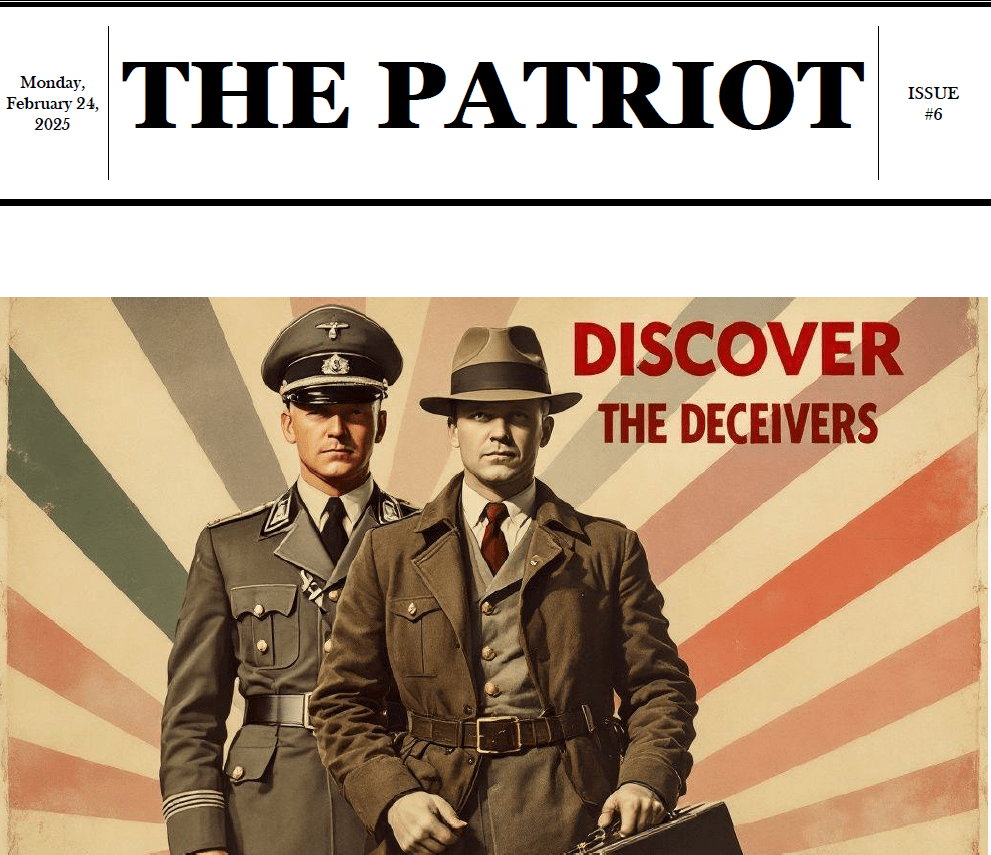
The Faustian Bargain: Operation Paperclip, its Lingering Legacy, Inherited Ideologies, and the Pursuit of Justice
Operation Paperclip, a clandestine post-World War II program orchestrated by the US government, aimed to secure German scientific and technological expertise for Cold War advantage. While the program undeniably fueled advancements in rocketry, space exploration, jet propulsion, chemical weapons research, medicine, and other fields, its legacy remains deeply entangled with ethical complexities and raises enduring questions about its long-term impact on democratic values. The recruitment of over 1,600 German scientists and engineers, some with documented SS memberships or involvement in Nazi activities, presents a profound moral dilemma. It forces us to confront the difficult choices made in the name of national security and the potential for such decisions to compromise fundamental principles.
The impetus behind Operation Paperclip stemmed from strategic necessity. With the burgeoning Cold War and the perceived threat of Soviet technological advancement, the US sought to capitalize on German expertise. This perceived need led to overlooking, or in some cases actively concealing, the problematic pasts of some recruited individuals. While the contributions of figures like Wernher von Braun and his team to the US space program are undeniable, the
ethical implications of collaborating with individuals potentially complicit in Nazi atrocities cannot be dismissed. The program raises crucial questions about accountability and the lengths to which a nation is willing to go in the pursuit of perceived strategic advantage. The case of Kurt Debus, a former SS officer who became the director of NASA’s Kennedy Space Center, further exemplifies this moral tightrope.
Beyond the immediate technological gains, Operation Paperclip cast a long shadow. By prioritizing expediency over ethical purity, the program potentially undermined the principles of justice and the rule of law. The secrecy surrounding the operation eroded transparency and fueled public distrust, establishing a precedent where morally ambiguous actions were justified by national security concerns. This normalization of moral compromise poses a continuing threat, as it risks creating a slippery slope where increasingly questionable actions become acceptable. The case of Arthur Rudolph, a rocket scientist who oversaw slave labor at a Mittelwerk concentration camp, exemplifies the ethical compromises made. While his expertise was valued, his past involvement in wartime atrocities was initially downplayed, only to be revealed later, forcing his eventual deportation.
Furthermore, the program’s legacy extends to the complex issue of inherited ideologies. The descendants of former SS members or individuals involved with the Nazi regime present a unique challenge. While individuals possess agency and develop their own worldviews, the influence of family narratives, potential access to resources, and connections to like-minded social networks can provide platforms for the dissemination of potentially harmful ideas. It is crucial to avoid suggesting a deterministic outcome, but the potential for influence cannot be ignored. This could manifest in various spheres:
- Politics: Descendants might seek positions of power to subtly promote discriminatory or exclusionary policies, such as restrictive immigration laws or the erosion of civil rights protections.
- Economics: Control over businesses could enable discriminatory practices in hiring or lending, further marginalizing vulnerable communities.
- Social Sphere: Influence within media or academia could be used to sanitize or revise historical narratives, minimizing Nazi atrocities or promoting dangerous revisionist history.
Addressing this challenge requires a multifaceted approach. Education, particularly comprehensive Holocaust education and programs promoting critical thinking skills, plays a crucial role in building resilience against extremist ideologies. Supporting organizations that actively combat extremism and promote tolerance is also essential. Furthermore, open and honest dialogue about the complexities of Operation Paperclip and its ethical implications is vital.
The pursuit of justice for Nazi war criminals didn’t end with the Nuremberg trials. “Nazi hunters,” individuals and organizations dedicated to tracking down and exposing those who escaped justice, played a vital role. Figures like Simon Wiesenthal, driven by his own experiences in concentration camps, dedicated his life to this pursuit. The Klarsfeld couple, Serge and Beate, relentlessly
investigated and brought to justice Nazi war criminals like Klaus Barbie. Their work, and the efforts of countless others, ensured that the memory of Nazi atrocities remained alive and that perpetrators, even decades later, could be held accountable. These efforts, while often facing immense challenges and limited resources, underscored the world’s commitment to justice and served as a deterrent against future genocides.
Operation Paperclip serves as a stark reminder of the ethical dilemmas inherent in times of conflict and geopolitical competition. While the immediate gains might have seemed significant, the program’s long-term implications for democratic values and the potential for inherited ideologies to resurface demand careful consideration. The shadow of the past continues to linger, emphasizing the need for constant vigilance and a steadfast commitment to justice, transparency, and the preservation of democratic principles. The Faustian bargain struck during Operation Paperclip continues to resonate, reminding us that expediency can have a steep moral price.

Discover more from The Patriot
Subscribe to get the latest posts sent to your email.
