The Shadow of the Blitzkrieg: Lessons from the Reichstag Fire and Strategies for Safeguarding Democracy
The term “blitzkrieg,” meaning “lightning war,” evokes images of swift, overwhelming military offensives. While primarily associated with military strategy, the underlying principles of speed, surprise, and concentrated force can also be applied to political contexts. A “political blitzkrieg” describes a rapid, decisive series of actions designed to overwhelm opponents, consolidate power, and reshape the political landscape. The Reichstag Fire Decree of 1933 stands as a chilling historical example of such a maneuver, demonstrating its devastating potential for undermining democracy. Understanding this historical precedent is crucial for recognizing and countering similar tactics in the present and future.
The Reichstag Fire: A Catalyst for Tyranny – Unraveling the Complexity
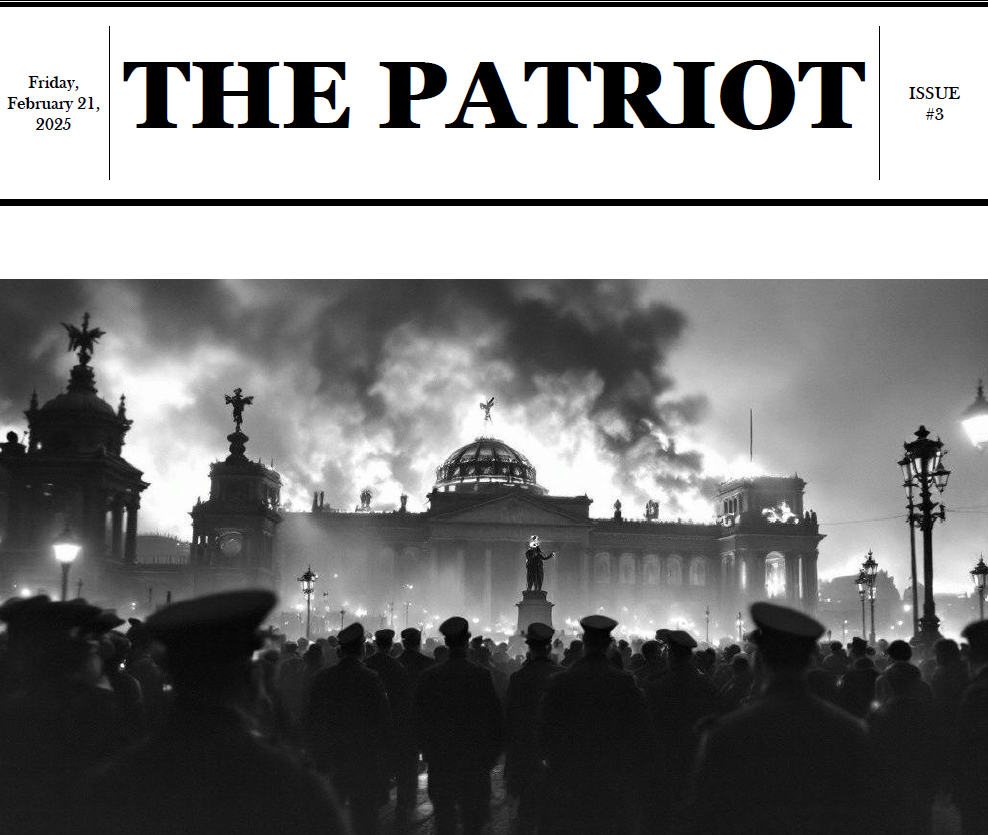
On the night of February 27, 1933, the Reichstag building, the seat of the German parliament, was engulfed in flames. While the question of who truly ignited the blaze remains a subject of historical debate, with some evidence pointing to a lone Dutch communist, Marinus van der Lubbe, and other theories suggesting Nazi involvement or at least exploitation of the event, the Nazi Party, led by Adolf Hitler, immediately seized upon it as a pretext for consolidating their grip on power. This ambiguity surrounding the fire’s origins is itself a crucial element of
the political blitzkrieg – creating confusion and allowing for the exploitation of the resulting chaos. They blamed the communists, portraying the fire as the opening salvo in a communist revolution, a narrative amplified by Joseph Goebbels’ propaganda machine. This narrative, fueled by fear and propaganda, provided the justification for the swift implementation of a political blitzkrieg.
The Reichstag Fire Decree: A Weaponized Response – A Legal Façade for Tyranny
Within hours of the fire, President Paul von Hindenburg, a war hero and aging figurehead, under pressure from Hitler and influenced by his conservative advisors who feared a communist uprising, signed the Reichstag Fire Decree. This decree, officially titled “Decree for the Protection of People and State,” was a devastating blow to the Weimar Republic’s already fragile democratic foundations. It effectively suspended key civil liberties guaranteed by the Weimar Constitution, including freedom of speech, assembly, the press, and the right to privacy. It granted the government sweeping powers to arrest and detain individuals without cause, to search homes without warrants, and to seize property. In essence, it gave the Nazi regime de facto carte blanche to suppress any and all opposition, operating under the guise of legal legitimacy.
The Blitzkrieg in Action: Consolidating Power – A Gradual Erosion of Democracy
The Reichstag Fire Decree was not merely a reactive measure; it was a carefully orchestrated move in a calculated strategy to seize absolute power. The Nazis used the decree to:
- Target Political Opponents: The decree served as a legal justification for rounding up and imprisoning thousands of political opponents, primarily communists, but also socialists, liberals, and anyone deemed a threat to the Nazi regime. This was often done through extra-legal means, with the SA (Sturmabteilung) acting as enforcers.
- Censor and Control the Media: The decree allowed the Nazis to silence dissenting voices by shutting down opposition newspapers and controlling all forms of media. Propaganda, expertly crafted by Goebbels, became a powerful tool for manipulating public opinion and reinforcing the Nazi narrative.
- Intimidate and Coerce: The atmosphere of fear and intimidation created by the decree effectively silenced potential critics and dissenters. People were afraid to speak out against the regime for fear of reprisal, creating a climate of self-censorship.
- Centralize Power: The decree centralized power in the hands of the Nazi Party, allowing them to bypass the Reichstag and rule by decree. This effectively dismantled the remaining checks and balances on executive power, setting the stage for a one-party state. This was a gradual process, with the Nazis using a combination of legal maneuvering, intimidation, and violence to consolidate control.
The Legacy of the Reichstag Fire: A Cautionary Tale – Echoes in the Present
The Reichstag Fire Decree and its aftermath serve as a stark reminder of the
fragility of democracy and the dangers of unchecked power. It demonstrates how a crisis, real or manufactured, can be exploited to justify the erosion of civil liberties and the consolidation of authoritarian rule. We see echoes of these tactics in contemporary politics, where fear-mongering, the manipulation of information, and the erosion of democratic norms are used to gain and maintain power. For example, the use of emergency powers, often justified by crises, can be abused to curtail civil liberties and bypass legislative oversight.
Countering the Political Blitzkrieg: A Blueprint for Resistance – Learning from History, Acting in the Present
The lessons of the Reichstag Fire are not merely historical; they remain relevant for contemporary societies. Understanding the tactics used by the Nazis and recognizing similar patterns in current political discourse is crucial for safeguarding democratic institutions. Countering a political blitzkrieg requires a multi-faceted approach, encompassing vigilance, preparedness, and proactive defense of democratic principles: - Protecting Civil Liberties: Robust protection of fundamental rights, including freedom of speech, assembly, and the press, is essential. These rights serve as a bulwark against tyranny and allow for open debate and dissent. For example, independent human rights organizations play a vital role in monitoring and reporting on abuses of power.
- Promoting Media Literacy: Cultivating critical thinking skills and media literacy is crucial for empowering citizens to discern truth from falsehood and resist manipulation. A well-informed citizenry is less susceptible to propaganda and fear-mongering. Initiatives that teach students how to identify misinformation and evaluate sources are essential.
- Strengthening Democratic Institutions: Independent judiciaries, transparent electoral processes, and robust legislative oversight are vital for preventing abuses of power. These institutions must be protected from political interference and manipulation. For instance, ensuring the independence of electoral commissions is crucial for free and fair elections.
- Fostering Civic Engagement: Active civic participation is essential for a healthy democracy. Citizens must be informed, engaged, and willing to hold their elected officials accountable. Apathy and complacency can pave the way for authoritarianism. This includes participating in peaceful protests, contacting elected officials, and supporting civil society organizations.
- Building Coalitions and Alliances: Unity and solidarity are crucial for resisting tyranny. Building broad coalitions across diverse groups can create a united front against those who seek to undermine democracy. For example, alliances between labor unions, civil rights groups, and environmental organizations can be powerful forces for change.
- Promoting International Cooperation: International pressure and condemnation can be effective tools for deterring authoritarian regimes and protecting human rights. International cooperation is essential for safeguarding democracy on a global scale. International organizations like the UN and human rights courts play a crucial role in this regard.
- Remembering History: Studying history is essential for understanding the tactics used by those who seek to undermine democracy. By learning from the past, we can be better prepared to recognize and resist similar patterns in the present. “Those who cannot remember the past are condemned to repeat it.” This includes supporting historical research and education initiatives.
- Vigilance and Preparedness: Eternal vigilance is the price of liberty. We must be constantly vigilant against any attempts to erode our freedoms, and we must be prepared to act swiftly and decisively to defend our democratic institutions. This includes being aware of potential triggers for political blitzkriegs, such as manufactured crises or exploited fears, and developing contingency plans to respond effectively.

Discover more from The Patriot
Subscribe to get the latest posts sent to your email.
