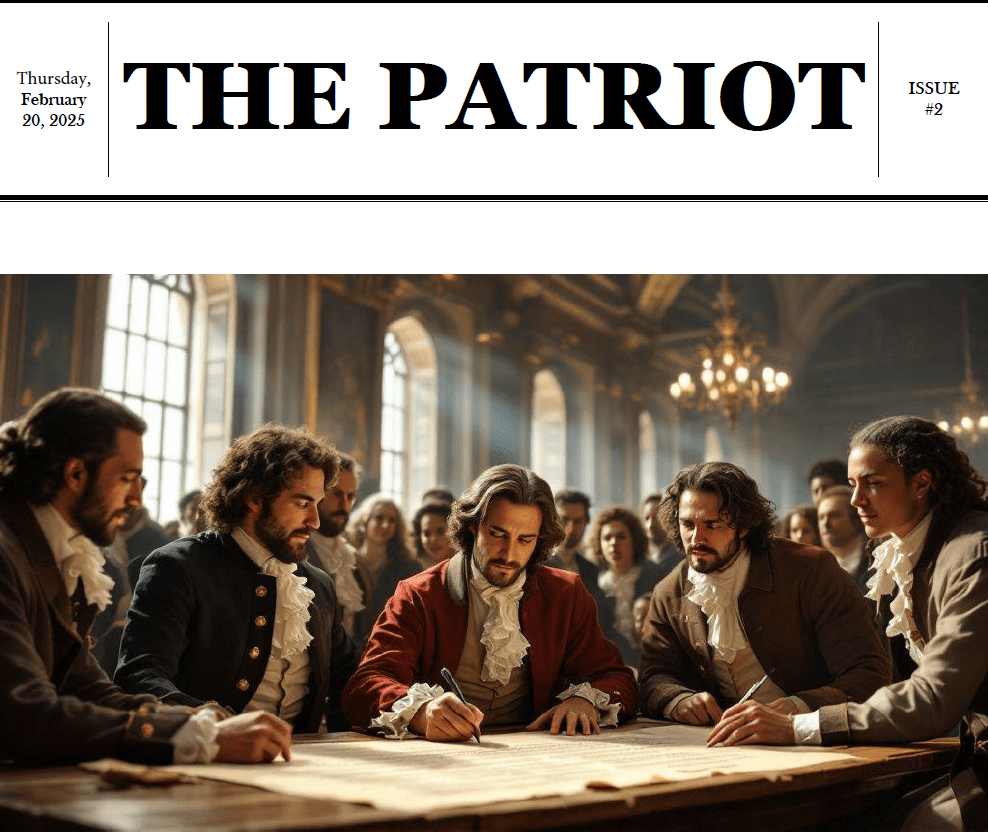
Safeguarding Democracy: A Call to Vigilance
Democracy, a system built on the bedrock of popular sovereignty and individual liberties, is not a self-sustaining entity. It demands constant nurturing, active participation, and a deep understanding of its vulnerabilities. History serves as a stark reminder that democracies can wither and succumb to authoritarianism, often not through a violent coup, but through a gradual, insidious erosion of fundamental principles. Recognizing the subtle warning signs of this decay is paramount to safeguarding our democratic institutions.
Imagine a charismatic leader, adept at manipulating public sentiment, rising to power on a wave of populist fervor. This leader capitalizes on existing societal fractures, promising radical solutions and scapegoating marginalized communities. They cultivate a devoted following, some drawn to promises of strong leadership, others to the allure of simplistic answers to complex problems. While outwardly professing allegiance to the Constitution, their rhetoric and actions begin to subtly chip away at the foundations of democratic norms.
This scenario, while seemingly fictional, echoes historical precedents with chilling accuracy. The rise of fascism in 20th-century Europe offers a particularly poignant example. Leaders like Hitler and Mussolini masterfully exploited economic hardship and social unrest, using fear-mongering, nationalist rhetoric, and outright propaganda to consolidate power. They systematically dismantled democratic institutions, silenced dissent through intimidation and violence, and ultimately plunged their nations into devastating conflict.
While the specific context may evolve, the underlying patterns of democratic erosion remain eerily consistent. A contemporary leader with authoritarian tendencies might employ more sophisticated tactics. They might exploit ambiguities within the Constitution, gradually expanding executive power while subtly undermining checks and balances. They might systematically attack the credibility of independent media, labeling critical outlets as “fake news” and cultivating a cult of personality centered on their own image. They might sow distrust in the electoral process, spreading misinformation and laying the groundwork for rejecting unfavorable results.
These tactics, while seemingly disparate, are interconnected threads in a larger tapestry of democratic decay. They represent a calculated effort to erode trust in institutions, stifle dissenting voices, normalize the violation of democratic norms, and ultimately pave the way for authoritarianism.
Consider the following ten warning signs, each a potential indicator of democratic backsliding:
Normalization of Norm Violations: Gradually eroding democratic norms and traditions, with behaviors that were once considered unacceptable becoming normalized over time.
Discrediting Elections: Spreading misinformation about voting processes, rejecting election results without evidence, and attempting to restrict voting access.
Attacks on the Media: Intimidating journalists, labeling critical outlets as “enemies of the people,” and promoting state-controlled or biased media.
Weakening Checks and Balances: Politicizing the judiciary, undermining legislative oversight, and concentrating power within the executive branch.
Authoritarian Rhetoric: Using fear-mongering, divisive language, and appeals to nationalism or populism to justify curtailing rights and consolidating power.
Suppression of Dissent: Crackdowns on protests, restrictions on freedom of speech and assembly, and the use of state power to target political opponents.
Erosion of Civil Liberties: Gradual restrictions on fundamental rights, such as freedom of expression, association, and due process.
Political Polarization and Extremism: Exacerbating societal divisions, promoting an “us vs. them” mentality, and emboldening extremist groups.
Cult of Personality: Creating an image of an infallible leader who is above criticism and whose pronouncements are treated as gospel.
Abuse of Emergency Powers: Exploiting real or manufactured crises to justify expanding executive authority and curtailing civil liberties.
History provides numerous chilling examples of these warning signs in action. The Weimar Republic’s struggles with political instability and the undermining of elections directly paved the way for the rise of Nazi Germany. Russia’s systematic suppression of independent media under Putin demonstrates the chilling effect of state control over information. Hungary’s gradual erosion of judicial independence under Orbán highlights the dangers of unchecked executive power. The Rwandan genocide, fueled by extreme ethnic hatred and political polarization, illustrates the devastating consequences of unchecked extremism. North Korea’s cult of personality surrounding the Kim dynasty epitomizes the dangers of unchecked leader worship. And the abuse of emergency powers, as vividly seen in the Reichstag Fire Decree, reveals how crises can be manipulated to consolidate power.
Even robust democracies like the United States, with their strong traditions of constitutionalism and checks and balances, are not immune to these threats. A determined leader can exploit existing societal divisions, politicize vital institutions, and gradually dismantle democratic safeguards. For example, gerrymandering can distort representation, while the increasing influence of dark money in politics can undermine electoral integrity. The spread of disinformation through social media can further polarize the electorate and erode trust in democratic institutions.
However, history also demonstrates the power of resistance. The Civil Rights Movement in the United States showcased the power of collective action in challenging discriminatory laws and practices. The Solidarity movement in Poland demonstrated the resilience of civil society in the face of authoritarian rule.
Ultimately, the fate of democracy rests on the vigilance and active participation of its citizens. We must be informed, engaged, and willing to defend democratic principles. This includes:
- Critical Thinking: Developing the ability to discern fact from fiction, especially in the age of misinformation.
- Active Participation: Engaging in civic discourse, contacting elected officials, and participating in peaceful protests.
- Protecting Institutions: Supporting the independence of the judiciary, the press, and other oversight bodies.
- Promoting Civic Education: Ensuring that future generations understand the importance of democratic values and their responsibilities as citizens.
- Holding Leaders Accountable: Demanding transparency and ethical conduct from elected officials, and voting them out of office if they fail to uphold democratic norms.
By recognizing the warning signs, understanding historical patterns, and actively participating in the democratic process, we can safeguard against the whispers of history and ensure that the principles of liberty, equality, and self-governance endure for generations to come. The defense of democracy is not a spectator sport; it is a responsibility shared by all.

Discover more from The Patriot
Subscribe to get the latest posts sent to your email.
